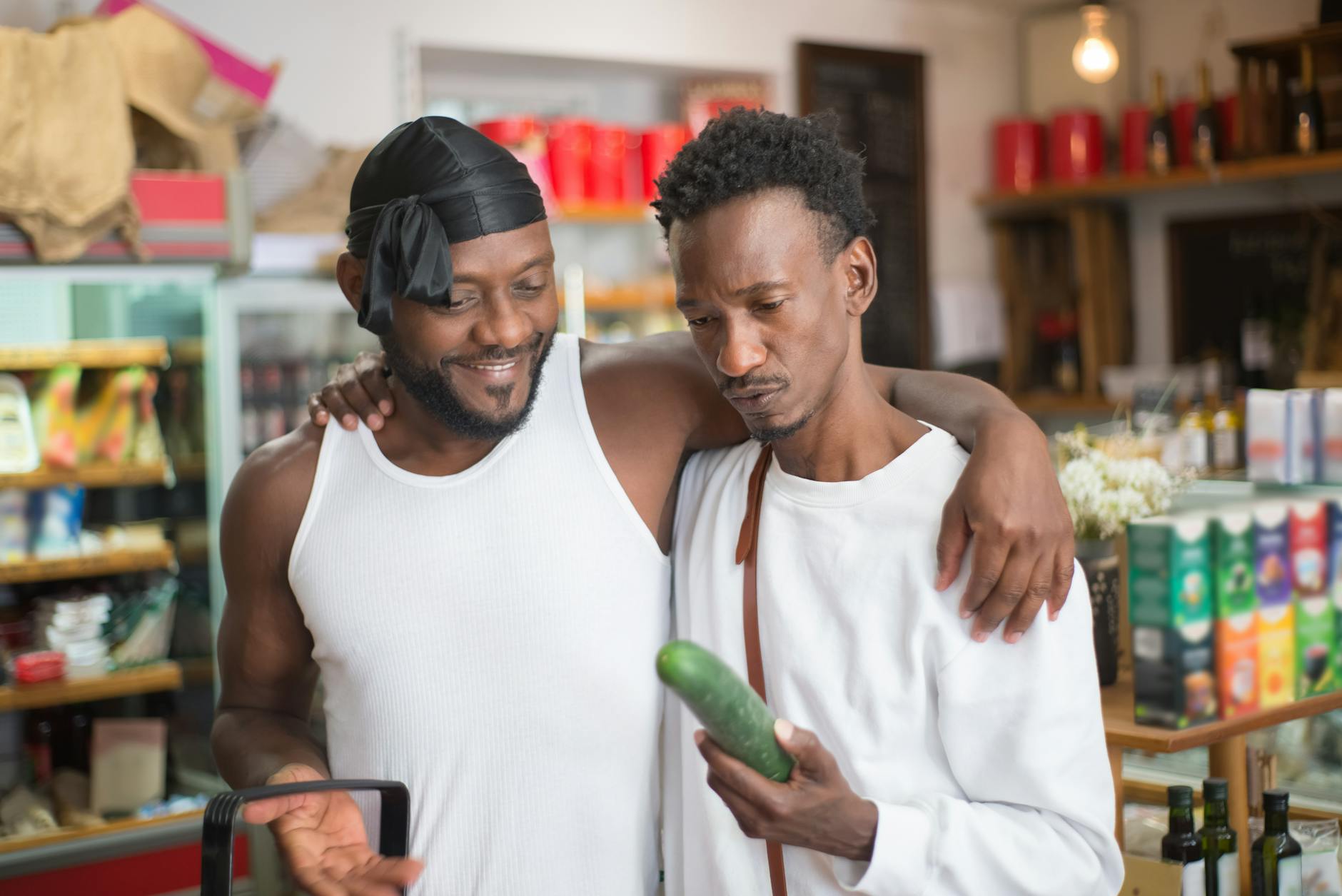
In a world where you can order nearly any cuisine with the tap of a screen, the experience of traveling to taste local fare often presents a tantalizing dilemma: should you prioritize culinary exploration or stick with familiar comforts? As it turns out, indulging in a market is an experience that encapsulates both the savory and the unfamiliar, where tasting food becomes half the journey.
For centuries, open-air markets have served as the heartbeat of cities worldwide. They embody a rich tapestry of culture, tradition, and community. From the bustling souks of Marrakech to the vibrant street markets of Bangkok, these venues have become vital spaces not just for commerce but for social interaction, cultural exchange, and culinary inspiration. Markets are where locals gather, stories are exchanged, and flavors are discovered. In many places, strolling through these markets is as integral to the travel experience as visiting museums or landmark attractions.
If you only do one thing while visiting any market, let it be to sample the street food. Street food stands often represent the best of local cuisine, often with a price tag that won’t break the bank. In many markets, vendors are eager to share their culinary secrets, offering small bites that make the experience not just about eating, but about tasting the culture itself.
Take the Mercado de San Miguel in Madrid, for example, a gourmet market that brings together traditional Spanish fare and modern culinary twists. This vibrant gathering spot, located in a historic iron-framed market building, is teeming with stalls showcasing everything from jamón ibérico to artisanal cheeses and fresh seafood. Here, visitors can sip on a glass of Spanish wine while sampling tapas that reflect both the region’s culinary heritage and innovative gastronomy. The market has transformed into a social hub where locals and tourists alike mingle, making it as much about the community as the food. Each bite tells a story–one forged through generations of culinary practice.
On the other side of the globe, the bustling Tsukiji Outer Market in Tokyo offers a mesmerizing contrast. Once a wholesale fish market, it has evolved into a vibrant enclave of food stalls and restaurants. Here, you’ll find everything from fresh sushi to grilled seafood skewers, with vendors calling out to entice passersby. The experience at Tsukiji is not just a feast for the taste buds, but also for the senses. The sights and sounds of daily life in Tokyo are harmonized with the scent of sea salt and grilled fish. Visitors can sample freshly cut pieces of sashimi, often accompanied by a side of wasabi and soy sauce, allowing for a deep dive into the intricacies of Japanese culinary tradition. The market encourages exploration, sparking curiosity about flavors that might be new to many.
The significance of these markets extends beyond the food. They serve as a reminder that culinary practices are interwoven with local identity. The Mercado de San Miguel represents the modern adaptation of traditional Spanish market culture, promoting artisanal products while honoring the heritage that shaped them. Meanwhile, the Tsukiji Outer Market showcases Japan’s dedication to freshness and quality in its cuisine, rooted in a history where food is deeply respected and valued.
Markets often create an atmosphere that transcends the mere act of eating. They become spaces of connection, where cultural narratives unfold through shared meals and conversations. For travelers, this access to local life can reshape their understanding of a place. It’s here that the act of eating becomes communal rather than solitary, an experience that facilitates interactions and fosters a sense of belonging.
Emphasizing the importance of culinary tourism, food markets have also become focal points for local economies. They attract visitors keen on experiencing authentic local flavors while supporting local vendors. The rise of food tourism has led to the revitalization of many markets, which now take on the role of culinary ambassadors. Markets are capturing the attention of food bloggers, travel enthusiasts, and even culinary professionals, all eager to discover hidden gems that create lasting impressions.
Yet, the charm of these markets should not overshadow the realities they face. With globalization and the rise of food chains, many traditional markets are struggling to maintain their unique identities. Gentrification has altered the landscapes of some markets, pushing out local vendors in favor of more commercial options. This transformation can lead to a homogenization of local flavors, risking the loss of authenticity that makes these markets so special.
For the traveler, it’s essential to approach every market with an open mind and a wanderer’s spirit. Embrace the unexpected, whether it’s trying a dish with unfamiliar ingredients or striking up a conversation with a vendor. Each taste and every interaction can open doors to new perspectives, enhancing the journey. The allure of markets lies in their unpredictability and dynamic nature–a reminder that the heart of travel lies not just in the sights seen, but in the flavors savored.
Exploring a market deeply can enrich your understanding of a place and its people. You may savor a delicious snack while discussing the recipe with a vendor or learn about the significance of an ingredient from a passionate producer. The stories behind food add layers to the experience, allowing travelers to carry home more than just memories–they take back insights into culture and community.
In summary, markets where tasting food is half the trip offer a unique window into the essence of a destination. From Madrid’s Mercado de San Miguel to Tokyo’s Tsukiji Outer Market, these spaces go beyond mere commerce, inviting visitors to participate in living histories and culinary traditions. In these vibrant venues, food travels beyond the plate, enriching the journey with flavors, stories, and connections that linger long after the trip has ended.