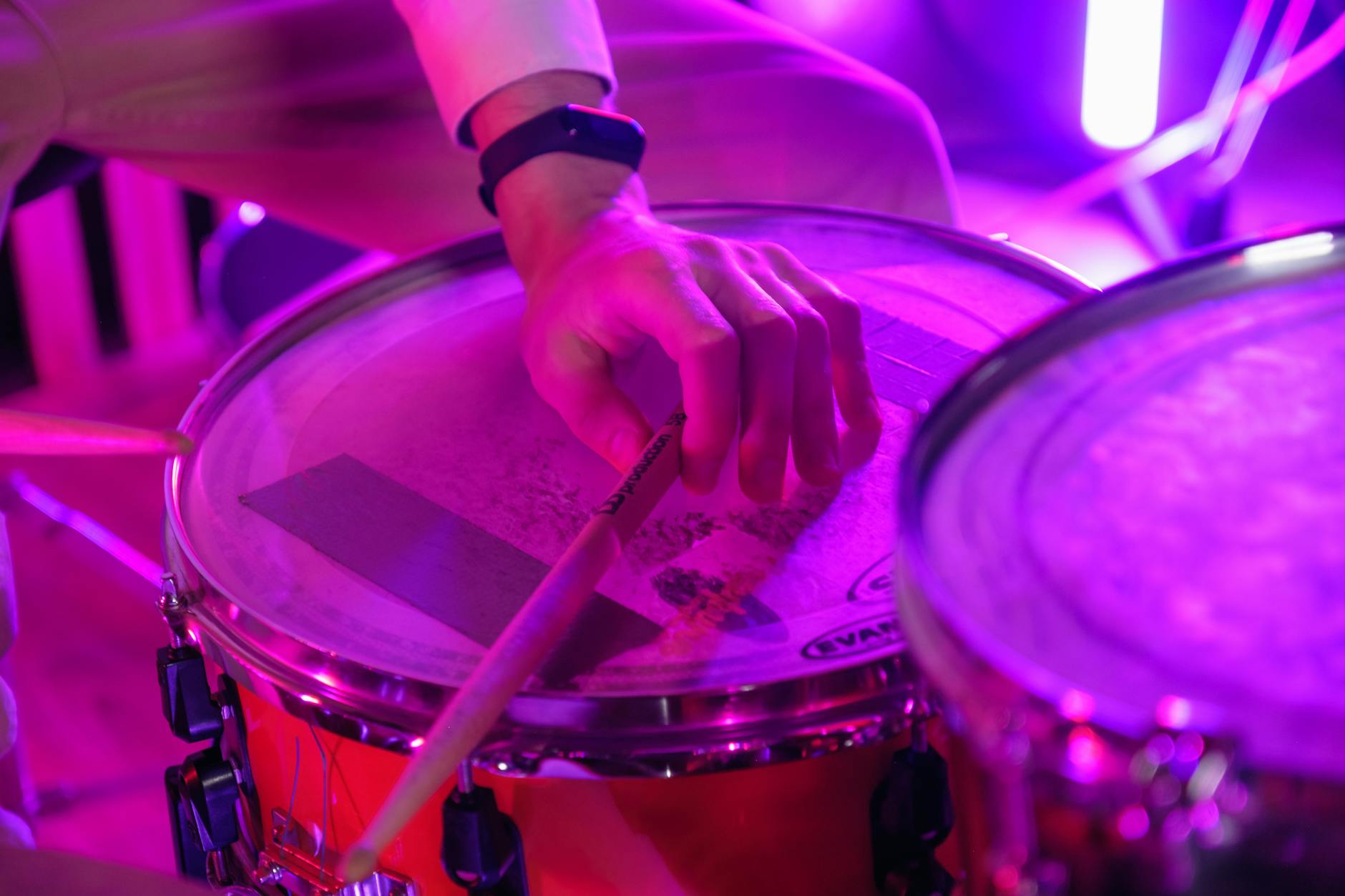
On a chilly Friday night, a group of friends packed into a small venue, eager to experience the live rendition of their favorite band’s latest album. The anticipation buzzed in the air as the lights dimmed, but when the first chords blasted through the speakers, the sound felt almost unrecognizable. What had been a polished studio track transformed into an energetic, chaotic explosion that was both thrilling and disorienting. This phenomenon isn’t uncommon; many bands craft studio recordings that differ significantly from their live performances, and the effects can be polarizing.
Consider the case of a two-person electronic duo that often blends intricate beats and soothing vocals in their studio tracks. Their albums feature meticulously layered sounds, crafted over days in the studio, resulting in tracks that can feel almost clinical in their precision. However, when they take the stage, their approach shifts dramatically. Live, they favor a raw, improvisational style that incorporates elements of jazz and funk. The studio version of a song might hover around three minutes, with polished transitions and a restrained tempo. In concert, the same piece can stretch to five or six minutes, driven by an intense energy that invites crowd participation and spontaneous solos. Fans expecting to hear their favorite hooks might instead find themselves swept into a collective groove, as the duo weaves in unpredictable improvisations that leave little resemblance to the original track.
Another example lies in the world of a celebrated rock band known for their ambitious albums. Their studio recordings boast multiple layers of instrumentation, often featuring orchestral arrangements and complex production techniques. Yet, in a live setting, they frequently strip back the songs, opting for a more straightforward rock approach. The band might introduce a track with a heavy guitar riff, diverging from the softer piano intro found in the studio version. While their albums may hover around the five-minute mark for most songs, live versions can extend to eight or nine minutes, filled with extended guitar solos and crowd sing-alongs. This departure can create a visceral connection with the audience, but it also risks alienating listeners who prefer the refined sound of the studio.
The divergence between studio and live performances often stems from the band’s desire to create an engaging experience. The studio can be a haven for perfectionism, where artists frequently spend countless hours fine-tuning their sound. One song may receive over 100 hours of studio time, allowing for precision that can’t easily be replicated in a live context. In contrast, the pressure of a live audience brings out a different spirit. Bands frequently embrace spontaneity, which can lead to an exhilarating atmosphere, yet this also heightens the risk of disappointment for fans who cherish specific studio nuances.
Balancing artistry and audience expectations can spark tension. A band whose live performances diverge drastically from their studio tracks might find themselves facing scrutiny. Fans who initially fell in love with the polished sound may question authenticity when confronted with a more chaotic live rendition. They might lament the absence of beloved instrumental layers or vocal harmonies that defined their favorite songs. For example, a certain song, which originally showcased a delicate string section, may transform into a power anthem with heavy drums and guitar in a live setting. While this can energize a crowd, it also highlights the disparate experiences of studio and stage.
Yet, the resolution lies in recognizing the distinct merits of both formats. Live performances often bring a raw energy that studio tracks can lack. Fans who embrace the unpredictability find that it adds a layer of excitement to their experience. The improvisational aspect can turn a familiar song into something uniquely remembered, creating personal connections that resonate long after the final note. Indeed, many fans cherish the stories that accompany a live performance–moments of unexpected solos, lyrical changes, or audience interactions that forever etch their concert experience into memory.
Artists themselves often acknowledge this balance. A recent interview with a musician from a renowned band revealed their philosophy: “We love the studio, but the stage is where we really come alive. Each performance is different, and that’s what keeps it exciting for us and the fans.” This acknowledgment underscores the importance of the live experience in shaping a band’s identity, suggesting that while studio versions have their place, the transformative power of performance can redefine a song’s meaning.
While not every fan may appreciate the departure from studio sounds, many find delight in the spontaneity and connection that live shows foster. For every listener who prefers the studio’s pristine finish, there’s another who revels in the exhilarating chaos of a live performance. In a world where recorded music often feels overly produced, the chance to witness artists embody their work in real-time offers an irreplaceable experience.
The difference between studio and live performances is not a flaw; rather, it highlights the versatility of music and the creative freedom artists seek. It’s a reminder that the essence of a song can shift based on context and delivery. The same piece can resonate differently in a living room than in an arena, and the energy of a crowd can inspire artists to explore new avenues of expression.
Ultimately, the beauty of these different interpretations lies in their ability to evoke emotions and create memories. From the echo of a guitar solo to the collective roar of the audience, live music offers a shared experience that transcends the confines of studio production. The connection forged between the artist and the audience can transform a simple song into an unforgettable moment, one that no studio version could replicate.
As music continues to evolve, so too will the relationship between studio and live performances. Artists will experiment, push boundaries, and find new ways to keep their sound fresh. In doing so, they remind us that music is not a static entity, but a living, breathing art form that thrives on emotion, spontaneity, and the magic of shared experiences.