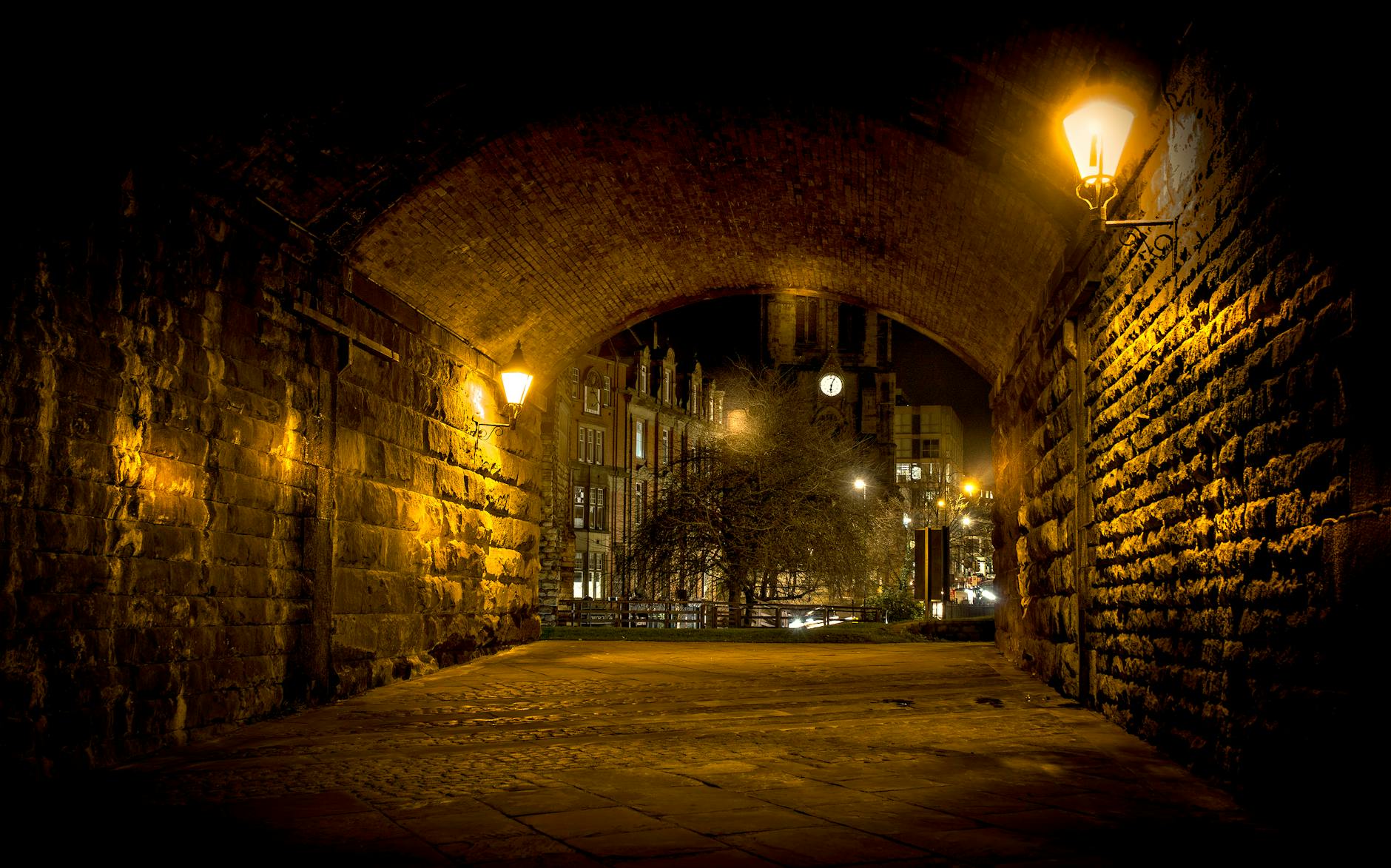
In a world dominated by GPS navigation and smartphone apps, the idea of wandering a new city without a map might evoke anxiety for some. The dilemma is stark: on one hand, the convenience of digital maps offers a safety net, while on the other, the act of getting lost can lead to a deeper, more authentic experience. The contrast lies in the perceived chaos of forgoing the map against the thrill of spontaneous discovery–a concept that many travelers overlook.
One prevalent misconception is that navigating a city without a map is impractical or even reckless. This notion has taken hold, largely fueled by the increasing reliance on technology and the fast-paced lifestyle of modern living. Many believe that to truly explore a city, one must possess a detailed itinerary or a digital guide, as though the absence of a plan equates to aimlessness. This belief persists because society often equates success in travel with efficiency and productivity, focusing on how much ground one can cover rather than the quality of experiences encountered along the way.
However, the essence of urban exploration can sometimes be found in the unexpected twists and turns that come from simply following one’s instincts. Allowing oneself to drift through a city, unencumbered by directions, opens doors to serendipitous discoveries. For example, one might stumble upon a hidden café that doesn’t appear in travel guides or engage in an impromptu conversation with a local who shares insider tips that enrich the visit. Exploring without a map invites you to immerse yourself in the local culture instead of merely ticking off landmarks from a checklist.
To embrace this method, a few precautions can help mitigate discomfort. Begin in a familiar area, perhaps a well-trafficked neighborhood where you feel safe, and allow yourself to wander. Pay attention to your surroundings–notice the architecture, the aromas wafting from street vendors, or the sounds of laughter echoing from a nearby park. These sensory details create a tapestry of memories that no map could encapsulate. If you ever feel completely disoriented, finding a local landmark or asking for guidance can provide a gentle nudge back on course.
this approach can differ greatly depending on one’s destination. In smaller towns or cities with a compact layout, like Amsterdam or Florence, wandering without a map can feel liberating and manageable. The narrow streets and delightful alleyways encourage exploration, often leading travelers to quaint shops and local hangouts. In larger cities, however, such as New York or Tokyo, the dynamics shift. The sprawling nature and complexity of these urban jungles can overwhelm even the most adventurous souls. Here, it may be wise to strike a balance–allowing for unstructured exploration while keeping a general sense of direction in mind, perhaps by using landmark navigation rather than relying on a precise map.
Additionally, the context of your trip matters. If you’re traveling solo, the freedom to roam without a map can enhance your overall experience, granting you the space to reflect and embrace the spontaneity of travel. However, when journeying with a group, particularly with children or individuals who may feel anxious without a clear plan, having a basic itinerary can help everyone feel secure while still allowing for moments of exploration.
In the end, the real beauty of experiencing a city without a map lies in the journey itself. It’s about the people you meet, the hidden gems you discover, and the stories you collect along the way. Instead of letting technology dictate your adventure, challenge yourself to disconnect and re-engage with your surroundings. You may just find that the most memorable experiences don’t come from following a preordained path but from the unexpected joys that come when you embrace the unknown.
“Sometimes, losing your way leads to the best adventures.”
When next you set out on a journey, consider leaving the map behind, even if just for a little while. Allow yourself to wander, explore, and discover the essence of a city as it reveals itself to you on its own terms. The rewards of uncharted exploration can transform the way you view urban landscapes, illuminating a world beyond the confines of your screen.