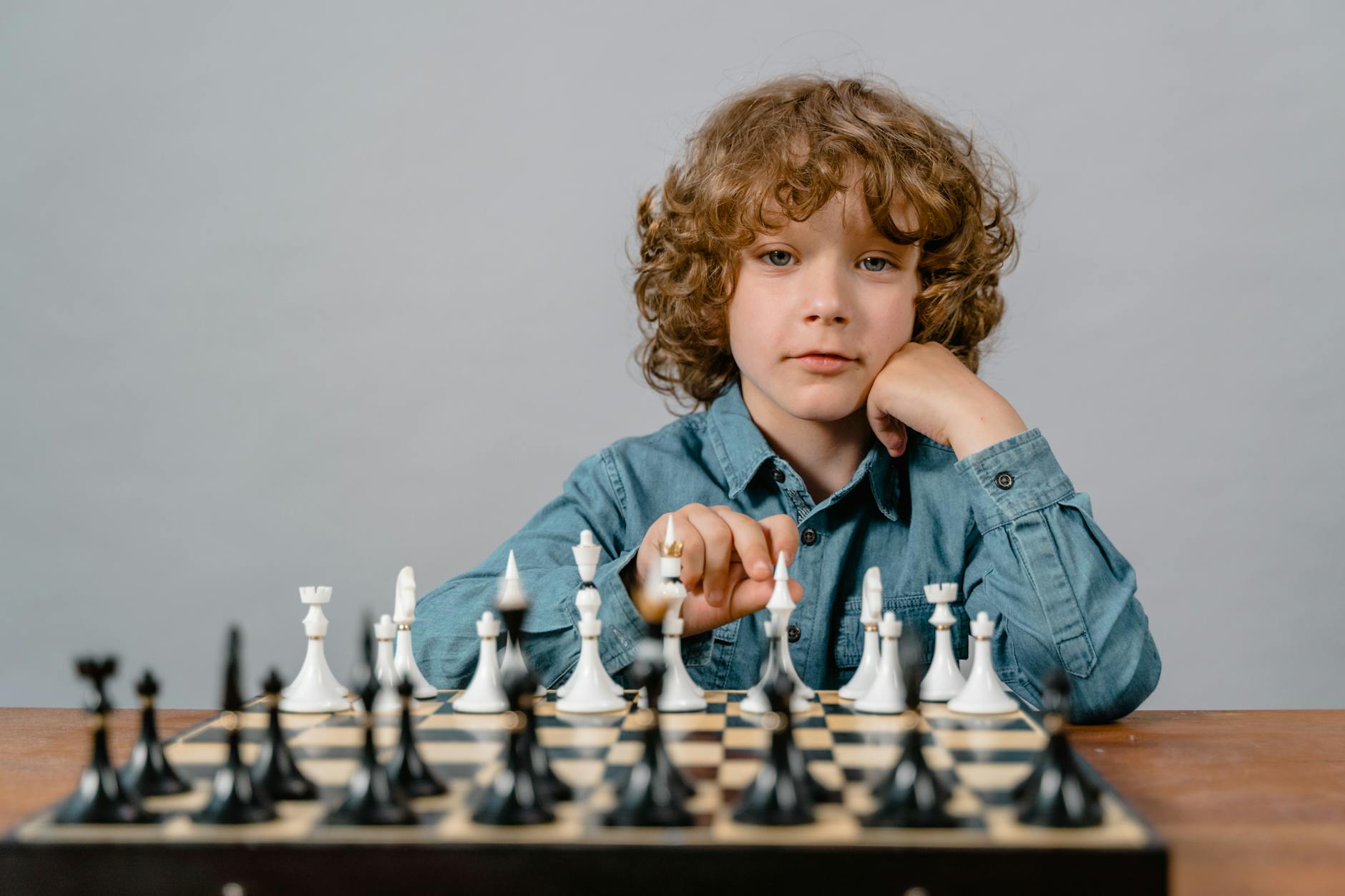
Last Tuesday, I found myself elbow-deep in a strategy game, shifting pieces around a virtual battlefield like a chess master who’s just had one too many cups of coffee. My cat eyed me with a mix of annoyance and indifference, but there I was, ensconced in my digital world, debating whether to risk my troops for a potential territory gain. You know, just a typical weeknight, right? Little did I know that my intense decision-making process in this fictional realm would spill over into real life in ways I’d never anticipated.
Not long ago, a friend of mine, Carla, faced a dilemma that would make any player of strategy games nod in sympathy. She had a lengthy to-do list for the week and an important presentation to prepare for on Thursday. Monday morning rolled around, and she stared at the items on her list: finishing the presentation, grocery shopping, and clearing up the living room, which looked like a tornado had struck it. Decision time! In a bold move reminiscent of the tightrope acts we’ve witnessed while playing civilization-building games, she laid out her tasks according to priority and the impact they’d have on her week. She dedicated her Monday to finishing the presentation while pushing her grocery shopping to Tuesday evening–a maneuver that would allow her to focus deeply on her work without distraction. Sure enough, she knocked out 80% of her presentation, leaving her time to polish it off the following day.
This illustrates one of the crucial elements strategy games teach us: prioritize and allocate resources. In the game realm, players learn to evaluate options not just based on immediate gains but also potential long-term benefits. Carla’s latter decision to grocery shop a day later seemed trivial, but in the grand scheme of her week, it led to a more successful output in her professional life–as she felt less rushed and more prepared.
Contrast that with my neighbor Dave. He, unlike Carla, tends to get bogged down in minutiae. Last month, he signed up for a local running event, paying an enthusiastic $50 for registration. As race day approached, he grew increasingly fixated on minute details, such as the brand of socks he should wear or the exact hydration schedule for race day. He spent hours researching these trivialities while neglecting to actually practice running past the two-mile mark. This situation, much like a strategy player who decides to construct a fortress instead of advancing to claim resources, ultimately cost him. When the day arrived, he completed the race but had to shuffle along at a pace that felt more like a leisurely stroll than a competitive run. In hindsight, investing time in training and conditioning rather than overanalyzing those smaller logistics could’ve led to a significantly more exhilarating experience.
These real-life scenarios neatly illustrate another vital principle derived from strategy games: understanding the balance between detail orientation and the bigger picture. In games, focusing too much on acquiring every available resource can often be counterproductive. Players learn, sometimes the hard way, that a well-thought-out plan, where strategic moves are made, often outweighs unproductive analysis. Just like in life, sometimes it’s better to take action based on a solid plan rather than getting mired in the specifics.
Even the notorious risk vs. reward assessment comes to light here. In strategic gaming, you might sacrifice a couple of minor units to secure a critical objective. In Carla’s case, shifting her tasks to enhance her presentation abilities proved invaluable; she was willing to let the mess in her living room slide for a few extra days in the name of quality work. Dave, on the other hand, lost valuable practice time fiddling with unimportant details, which ultimately cost him both performance and enjoyment during the race.
The thing is, strategy games, with all their pixelated complexities and myriads of choices, teach us lessons that often resonate beyond the gaming screen. Whether we’re organizing a work project, approaching a community event, or even training for a race, the lessons learned during those late-night gaming sessions can inform and improve our real-life decision-making. So next time you’re lost in the realm of virtual strategy, remember – it’s not just about winning a game; it’s also fueling your ability to navigate the labyrinth of life just a little bit better.